The cooking oil we use on a regular basis is something most of us don’t even think about. It’s simple to grab the bottle closest to you and assume it will work for all purposes. The truth is that oils behave differently based on heat flavor, temperature, and composition. Understanding the differences between different oils is among the easiest ways to make better home-cooked food.
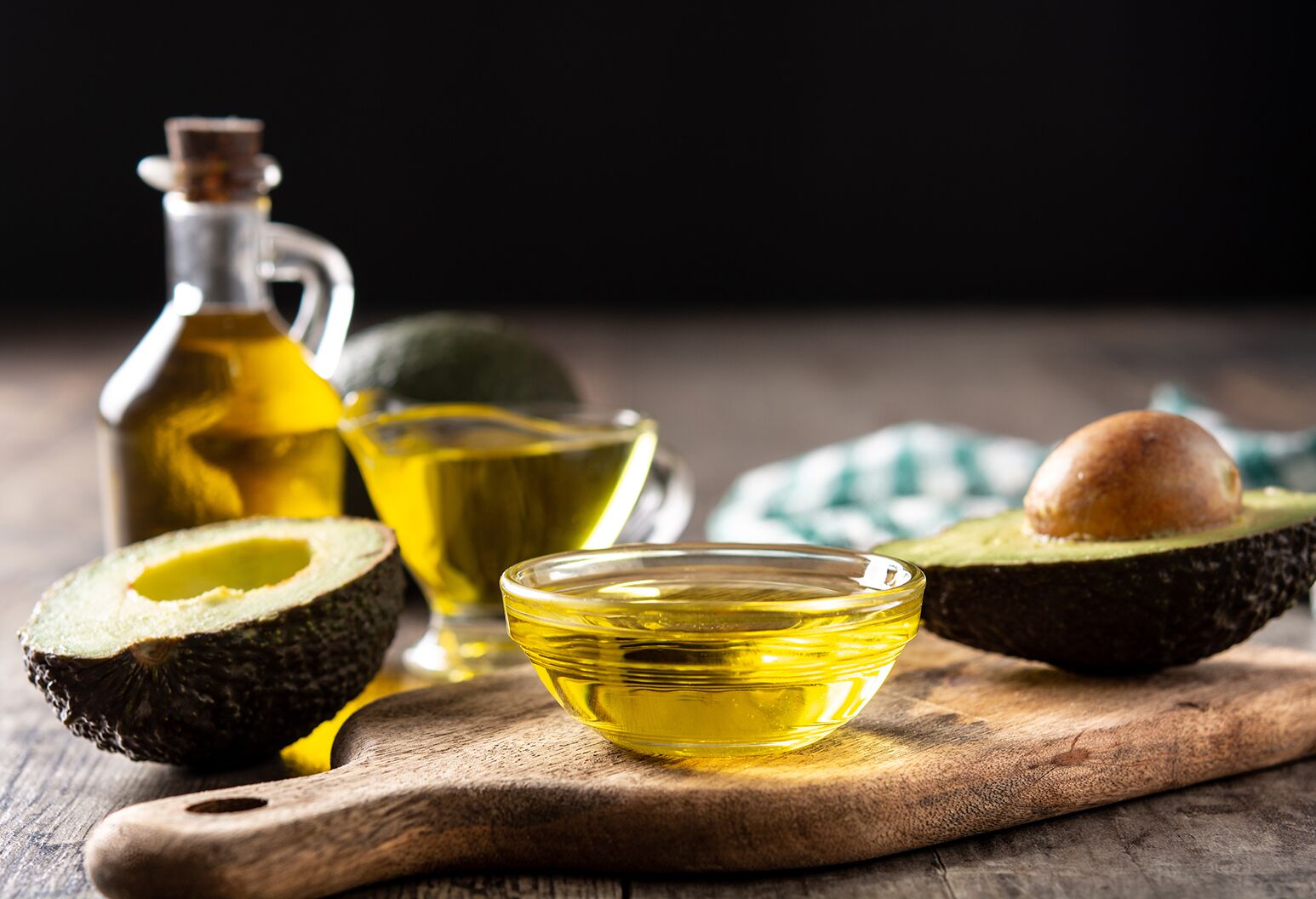
It is important to not base your decision solely on recent trends or headlines when choosing olive oil, avocado oil, or coconut oil. It should be based on the performance of each oil in real cooking situations.
The importance of oil choice is greater than you think
Oil is responsible for three essential tasks during cooking. It first transfers heat to food. Second, it adds flavor, subtly or notably. Third, it affects nutrition depending on the kind of fat used and how stable it is when heated to high temperatures.
Oils that overheat begin to break down. This decreases the nutritional value of the oil and can create unpleasant flavours. Utilizing the wrong oil to accomplish the wrong job can lead to food that smells flat dry, bitter, or greasy regardless of whether the recipe is excellent.
When using olive oil to cook it is best to make use of it with intention
Olive oil has been studied and is used extensively in cooking. Made by pressing olives it’s a great source of monounsaturated fats, along with antioxidants like polyphenols and vitamin E.
Extra virgin oil is peppery sweet, strong and fruity. This makes olive oil for cooking ideal for salad dressings, marinades, roasted vegetables, light sautéing, and finishing dishes. In these situations, the flavour enhances the food instead of getting out of place.
Extra virgin olive oil may not possess the same smoke points as some people believe. For higher heat cooking refined olive oil is more suitable. It is milder in taste and has greater thermal sensitivity. This makes it suitable for frying at higher temperatures, baking, and roasting.
Olive oil can be a healthy and tasty food item when used properly.
Coconut Oil The Coconut Oil is Specific, but Stable
Coconut oil performs differently unlike olive oil. Coconut oil is extremely stable due to its high content of saturated fat. Coconut oil is used for cooking due to its high stability.
Refined Coconut Oil has a subtle taste, which is ideal to bake or fry for cooking where stability of heat is needed. Coconut oils that have not been refined maintain a strong aroma and flavor of coconut. This flavor is perfect for curries, desserts and stir-fries however it may clash with other foods.
Coconut oil shouldn’t be used as a mainstay for a regular routine. It is preferential to only use it for occasional. It’s delicious in high temperatures, but is not as powerful in its antioxidants as avocado or olive oil.
Avocado Oil is heat-friendly It is non-toxic, neutral and neutral
Avocado oil is well-known because it can withstand heat very well. Avocado oil is a great cooking oil and has one of the best smoke points of the commonly used oils, making it perfect for searing, roasting or grilling and for cooking.
Avocado oil is more rich in monounsaturated oils and vitamin E than coconut oil. This means it is healthier. Its neutral taste is ideal when you do not desire the oil to alter the taste of your food.
When cooking with high temperatures, avocado oil is the most secure option. It’s also a good fat.
How to Utilize Oils smartly
There is no perfect oil for every task. It is better to have multiple options and to utilize each of them.
Avocado oil is ideal for cooking with high heat. Avocado oil is ideal for high-heat cooking. Coconut oil is a good option when you wish to maintain heat stability, or if its distinct flavor is what you’re searching for.
When you recognize these variations, you’ll be able cook more effectively and without any guesswork.
The higher the quality of the basic ingredients is the better the cooking
It’s not essential to use expensive ingredients or complicated methods of cooking to cook properly. Simple, consistent decisions made with knowledge are often the most important factor.
Knowing when you should make use of coconut, avocado, or olive oil in cooking can improve your taste and texture, as well as overall confidence. Once you’ve got a good knowledge of how oils work in the kitchen, the other issues become more straightforward.